
Same Look, Different Build: Understanding PP Body Kit Quality
When shopping for an aftermarket body kit, you may find two bumpers that look almost identical but behave very differently once installed. Why?
Polypropylene (PP) is a good, widely used material for bumpers. But the design in the photo is only part of the story. The difference lies in what you can’t see: the PP material grade, the mold, the injection process, quality control, and packaging. A bumper can look perfect online and still feel very different when you install it, flex it, or expose it to an impact.
Quick answer: PP body kits differ mainly because of five things: the grade and formulation of the polypropylene, the mold design, the injection molding process, the QC standards, and the packaging used for international shipping. Two bumpers can both be “made of PP” and still be different products.
Not All PP Material Is the Same
Most aftermarket bumpers are made from polypropylene (PP). But “PP” alone doesn’t tell you the whole story, because different grades and formulations have very different properties.
A good bumper balances:
- Flexibility
- Impact resistance
- Strength
- Elongation
- Stiffness
- Dimensional stability
If the material is too brittle, the bumper may crack instead of flexing under force. This is why some bumpers crack surprisingly easily, even when handled by hand.
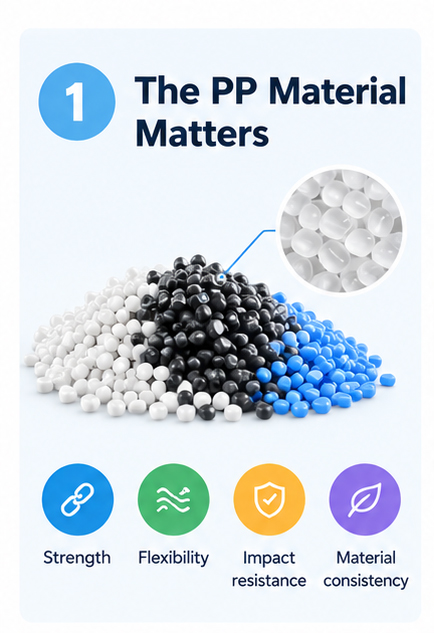
1. The PP Material Mix Matters
PP compounds can contain additives and fillers such as mineral fillers, impact modifiers, and recycled material.
- Fillers can add stiffness and dimensional stability. But too much filler, or the wrong formulation, can reduce flexibility and impact resistance.
- Recycled PP is not automatically bad. Well-controlled recycled material can work well. Inconsistent or excessive regrind, however, can hurt mechanical properties and consistency.
So “made of PP” is only the starting point. The actual formulation and its consistency matter.
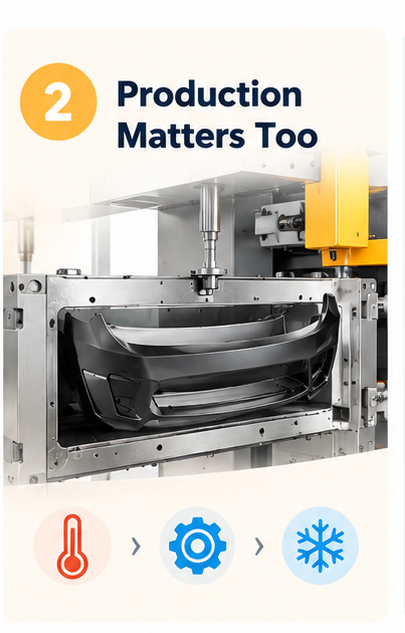
2. Injection Molding Conditions Matter
Even good PP can produce a poor bumper if the molding process isn’t carefully controlled. Key factors include:
- Melt temperature and mold temperature
- Injection speed and pressure
- Holding pressure
- Cooling time
- Screw speed
- Material residence time
Excessive heat or residence time can affect the polymer, and uneven or insufficient cooling can leave internal stress and cause dimensional problems. The result can be a bumper that looks normal but is more likely to crack during installation or use.
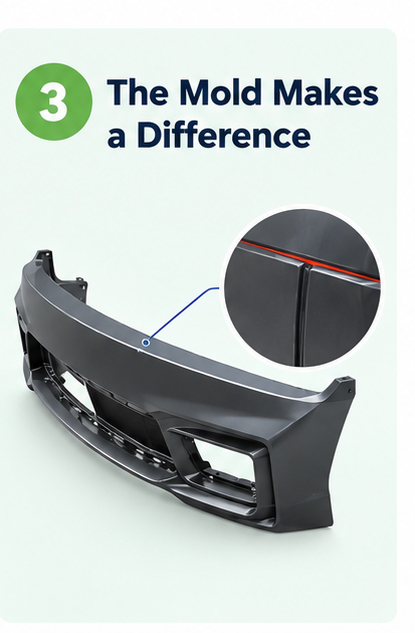
3. Mold Design Can Create Weak Areas
A well-designed mold lets material flow properly and avoids stress concentrations. Common trouble spots include:
- Sharp corners
- Sudden changes in thickness
- Thin sections
- Mounting points
- Fog-light openings
- Parking sensor areas
- Grille openings
Another key issue is the weld line, where two flows of molten plastic meet inside the mold. Depending on the material and conditions, weld lines can be weaker than the surrounding material.
Tip: If a bumper keeps cracking in exactly the same spot, the cause may be the mold design or material flow rather than the PP itself.
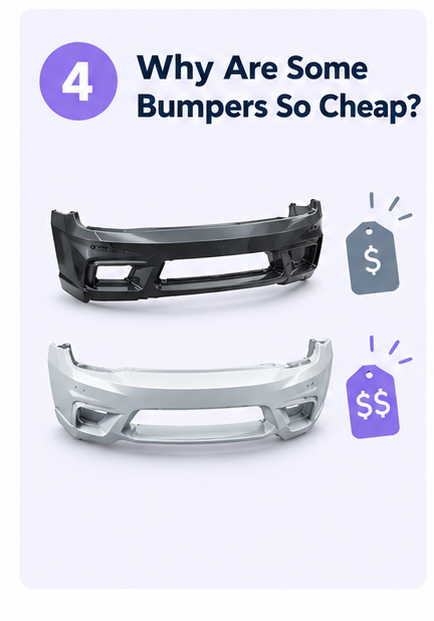
4. Why Can Two Similar-Looking Bumpers Be Different Products?
The finished bumper reflects the whole production chain:
Raw material → Formulation → Mold → Injection molding → QC → Fitment → Packaging
Two manufacturers can produce similar-looking bumpers using different materials, production standards, and QC procedures. These differences are hard to see in a product photo, and they can affect flexibility, fitment, and durability.
Price alone doesn’t tell you which is which. The better question to ask is: what is actually behind the bumper?
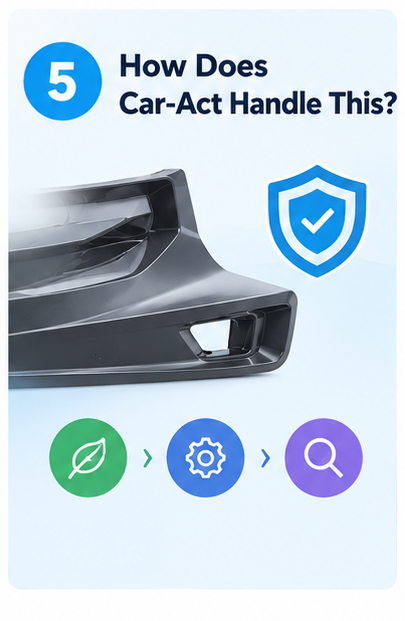
How Car-Act Controls PP Bumper Quality
At Car-Act Automotive Development, we believe a body kit should be more than a good-looking design. Quality needs to be controlled from the raw material to the finished product.
Professional raw material suppliers. We work with professional suppliers and set requirements for our materials. We look beyond “it’s PP” to consistency and suitability for automotive body-kit applications.
Controlled manufacturing. We focus on consistent injection molding conditions, paying attention to material processing, cooling, part thickness, and potential weak areas.
Strict QC before shipping. We check:
- Shape and dimensions
- Surface condition
- Mounting areas
- Potential defects
- Fitment-related issues
- Overall product condition
Fitment in product development. Fitment is part of our development process. Our goal is simple: make the product consistent before it reaches the customer.
Secure Plywood Packaging for International Shipping
Body kits shipped overseas travel in containers and face rough handling and constant movement at sea. Instead of cartons or wooden strips, we use premium plywood crates for protection against impact and collision.
Our crates also have hinges, so they open easily for the customer. For a customs inspection, the inspector can simply lift the hinge and check the contents without destroying the packaging.
What Customers Value About Buying from Car-Act
International purchasing takes time and energy, so we focus on:
- Quality products made with controlled materials and manufacturing
- Secure plywood packaging so your order arrives in great condition
- Easy-open hinged crates, for customs or for you
- Thoughtful, smooth communication throughout your order
- Helpful aftersales support. Aftermarket body kits often need guidance for the best fitment, so we offer practical tips and assistance from the owner’s point of view
FAQ: PP Body Kit Quality
Why do some aftermarket bumpers crack easily?
Common causes include brittle PP material, an unsuitable formulation, uncontrolled injection molding, internal stress, or weak areas created by mold design, such as weld lines.
Is recycled PP bad for bumpers?
Not necessarily. Properly controlled recycled material can be used successfully. The problem is inconsistent or excessive regrind, which can affect strength, flexibility, and consistency.
How can I tell if a PP bumper is good quality from photos?
Often you can’t, because many quality factors are invisible in photos. Ask the seller about their materials, QC process, fitment checks, and packaging.
How does Car-Act ship body kits internationally?
In strong plywood crates with hinges, designed to protect the product during container shipping and to open easily for customs inspection without damaging the package.
A Good Bumper Is More Than Its Appearance
A bumper is the result of an entire process:
Material → Formulation → Mold → Injection → Cooling → QC → Fitment → Packaging
Every step affects flexibility, impact resistance, fitment, and durability in real-world use. That’s why Car-Act focuses on the material, the manufacturing, and the quality control behind every body kit, not just how it looks.
Good design gets attention. Good manufacturing makes the difference.
Have questions about fitment or materials for your car? Contact the Car-Act team and we’ll help you choose the right body kit.